What Hesed is, in the order a buyer needs to hear it.
Every asset in this system leads with capability and proof, then earns trust with the farmer story. Not the other way round. Importers buy reliability; the mission is why they keep buying.
Proven to spec
HACCP and GMP facilities, USDA Organic and Ecocert, low-GI authentication from Sydney University, USFDA-tested shelf life. We show the paperwork before the poetry.
Grown, not manufactured
Palmyra sap from Kampong Speu and Kampong Chhnang. Keo Romeat mangoes dried at low temperature. M23 cashews from primeval forest. No additives anywhere in the range.
Fair by structure
A social enterprise and WFTO member. Fair wages, gender equity, and dry-season income for farming families who otherwise have none.
A hand-drawn house with a sprig inside it. Protect the hand.
The mark's value is that it is visibly drawn, not built. Every rule below exists to keep that line quality intact at export-label sizes.



 Hesed
HesedTwo greens, one gold, one bark — sampled from your own packaging.
Nothing here is invented. Forest is lifted from the logo file, gold and leaf from the palm-sugar pouch, sky from the mango pack. The system's job is to fix their roles and proportions.
Three faces, three jobs. No fourth.
The wordmark is set in a geometric sans of the Futura lineage. Jost continues that line into the whole system, so headlines feel like the logo rather than next to it.
300 · 400 · 500 · 600 · 700
300 · 400 · 500 · italic
Mono
GI 48 · 424.5mg/100g
Warm about people. Exact about product.
Hesed has a real mission and real certificates. The voice fails when it blurs the two — when the farmer story is written like a spec, or the spec is written like a brochure.
Number before adjective
“GI 48, tested by Sydney University” beats “remarkably healthy”. If a claim has a figure, lead with the figure.
Name the people
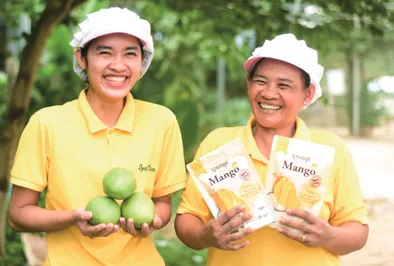
“Farmers” is a category. A cooperative in Kampong Speu, a woman who climbs palms in the dry season — that is a fact a buyer repeats.
Never oversell the certificate
Say what is held, for which product, and what is in progress. One overstated mark costs the whole account.
Hesed is a Cambodian social enterprise producing and exporting palmyra blossom sugar, additive-free dried fruit and cashews under fair-trade terms with the farmers who grow them.
Hesed is a Cambodian social enterprise and World Fair Trade Organization member. From HACCP- and GMP-certified facilities we produce palmyra blossom sugar, low-temperature dried fruit and M23 cashews — organic, additive-free, and traded on terms that pay farming families a living wage in the dry season. We export to the US, Japan, Korea and Europe.
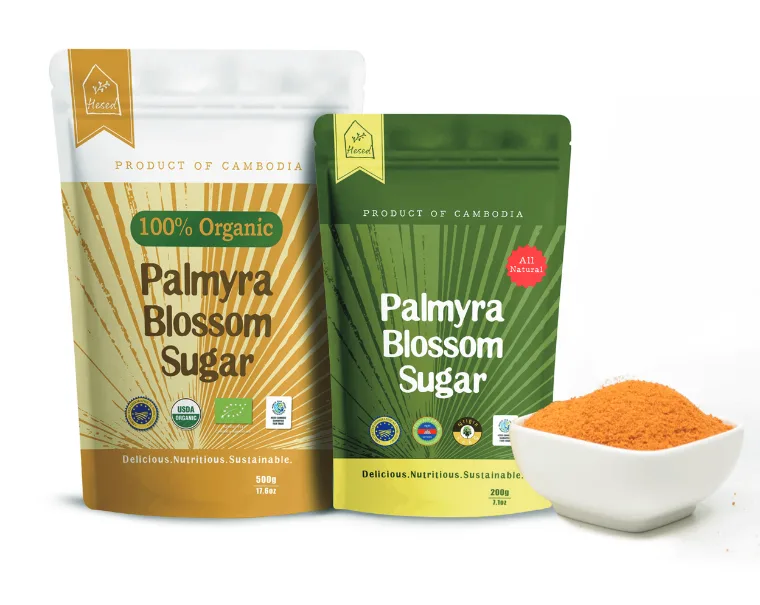
A caramel-dark sweetener with a glycemic index of 48, tapped from the flower of Cambodia's national tree.
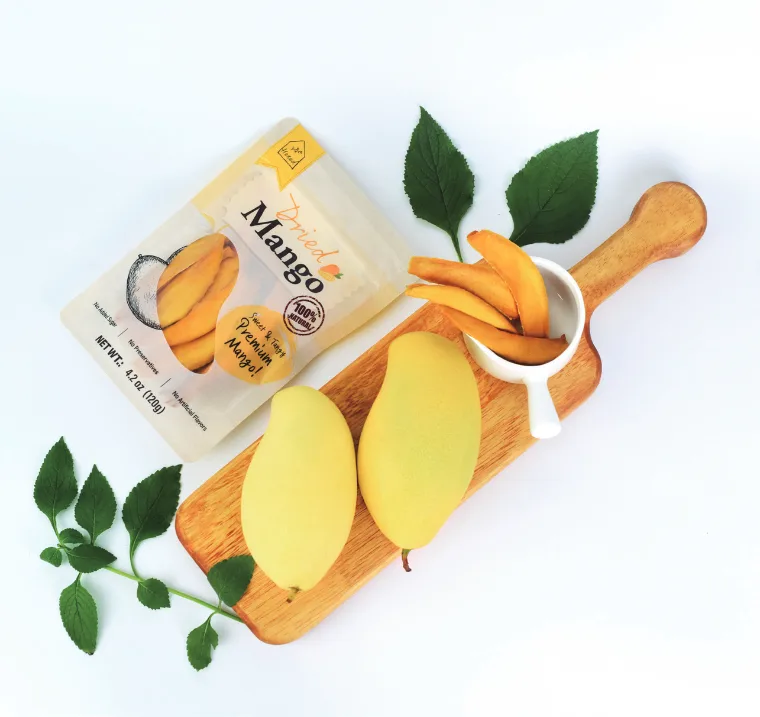
Keo Romeat mango, dried slowly at low temperature. One ingredient on the label, because there is only one.
Large-grade M23 kernels from Cambodian forest orchards, sorted WW180 to WW450, 30 tonnes a month.
Four kinds of picture. Everything else is stock, and stock is the tell.
These are your existing images, sorted into the four roles the brand actually needs. Shoot future work against these four briefs and the library stays coherent.

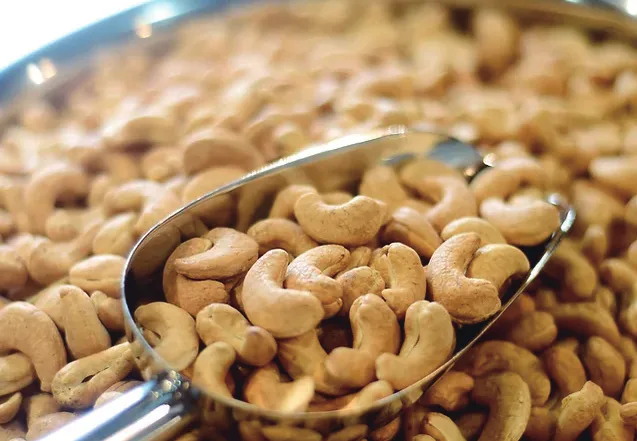
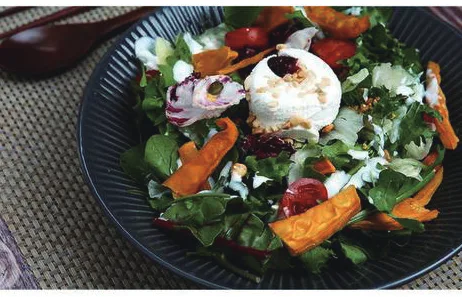

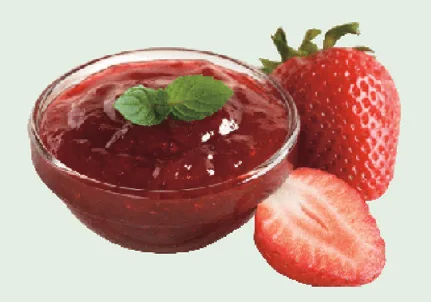
The palm frond is already the brand's best idea. Make it the rule.
The sugar pouches radiate a frond from the base of the pack. That single device carries origin, warmth and light without a word of copy — and it belongs on every pack, every line, every leaflet cover.
rotation: from 198deg
ray: 1.5deg lit / 2.9deg dark
opacity: 0.05 on dark · 0.07 on gold
never above 0.14
Seven marks. Each one tied to a product and a market.
This is the most valuable asset Hesed owns and the easiest to devalue. A mark shown against a product it does not cover is a compliance problem, not a design one.

GUARANTEED MEMBER

PALM SUGAR · 2019
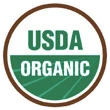
US MARKET
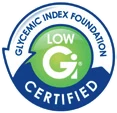
SYDNEY UNI · 2020

ALL LINES

ALL LINES

PALM SUGAR
REG.
NO OFFICIAL SEAL EXISTS
The parts the landing page will be built from.
Square corners, hairline borders, one hover behaviour. Nothing floats, nothing glows — the brand is drawn and printed, so the interface behaves like paper.
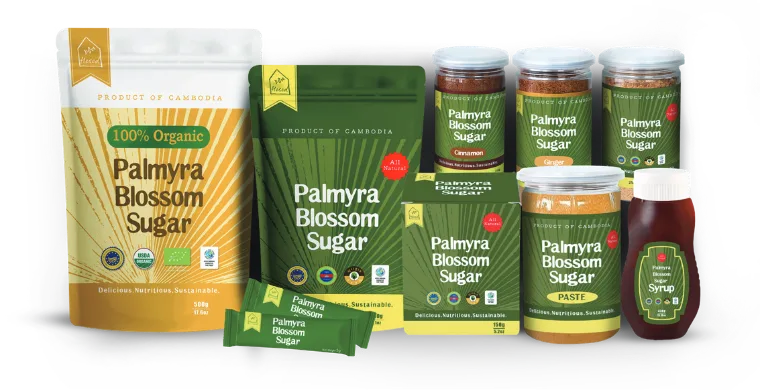
Granulated, paste & syrup
Organic and natural grades. Sachets, 150 g, 200 g, 500 g and bulk.
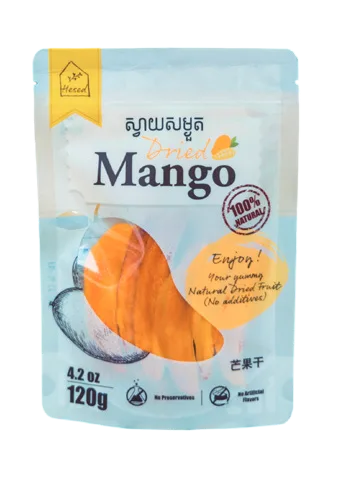
Keo Romeat mango bite
One ingredient. Low-temperature dried, 4.2 oz retail pack.
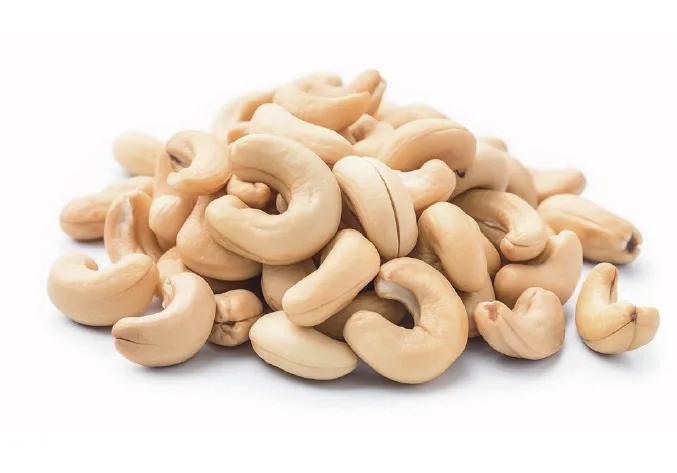
M23 whole & splits
WW180 to WW450, splits and pieces. Raw, roasted or salted.
“In the dry season there is no rice work. The palms are what pays for school.”
Two templates cover every trade show you will attend.
A four-page leaflet for the story and a one-page spec sheet for the buyer's file. Same grid, same margins, so a leaflet spread and a spec sheet stack on a table as one family.
margin: 16 mm outer · 14 mm gutter
grid: 4 columns · 5 mm gap
baseline: 4 mm
cover: deep forest + frond, knockout lockup
inside: paper, one cream panel maximum
REV 2026-01
HESEDCAMBODIA.COM
gold 3 pt rule under the header, always
left column: attribute / value table
right column: pack on white
footer: certification row + domain
one page. never two.